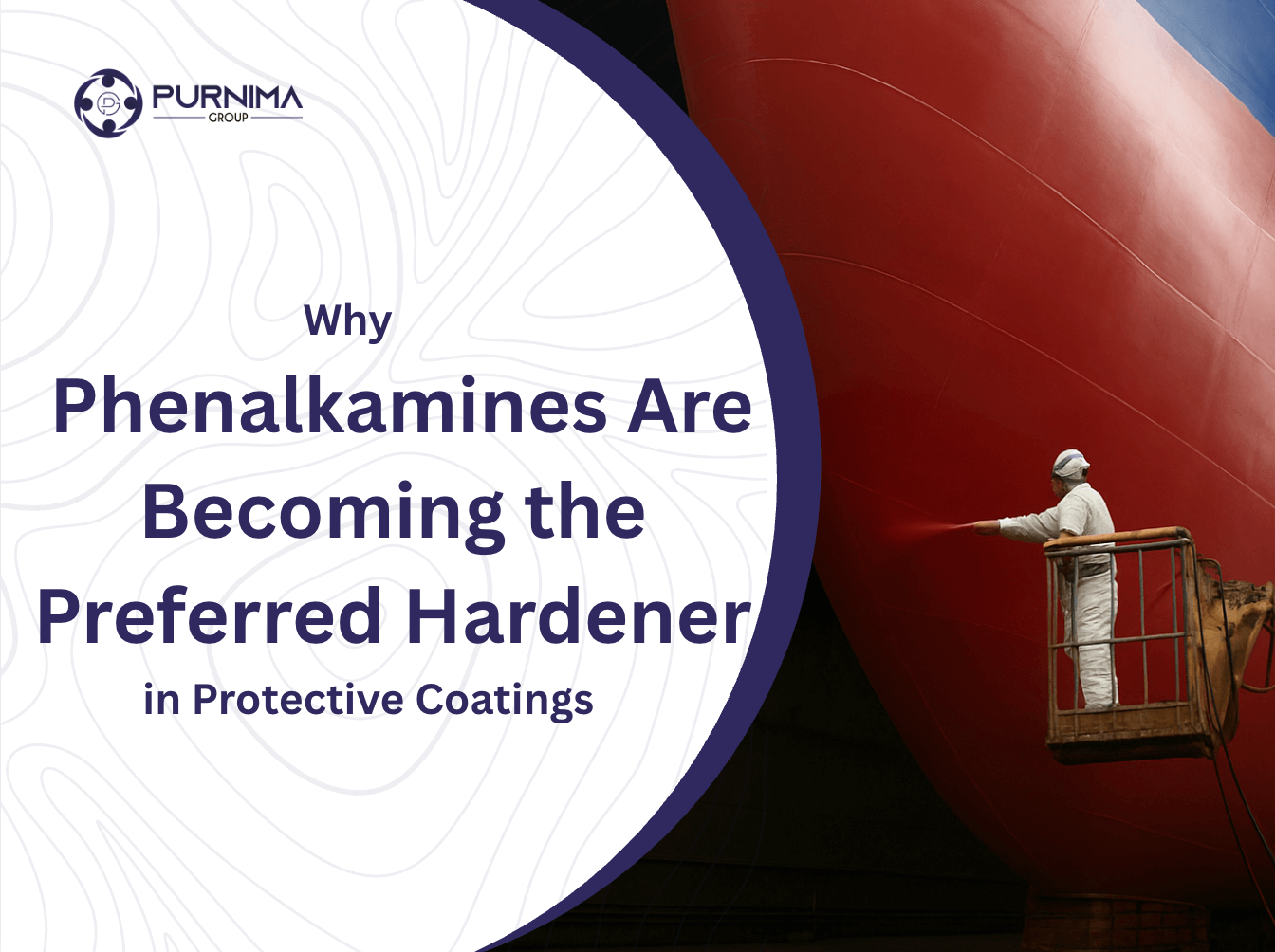
The protective coatings industry has been evolving rapidly, and if you're involved in coating formulation or specification, you've likely noticed phenalkamine hardeners appearing more frequently in technical discussions. This shift isn't just another passing trend in industrial coatings. There are solid technical reasons why formulators and applicators are increasingly choosing phenalkamines over conventional curing agents.
Understanding what makes these hardeners different helps explain why they've become so widely adopted in challenging coating applications. From offshore oil platforms to chemical processing plants, phenalkamines are proving their worth where traditional hardeners often fall short.
Understanding the Chemistry Behind Phenalkamines
Phenalkamines represent a specialised class of amine curing agents developed specifically for epoxy resin systems. The manufacturing process involves what chemists call a Mannich reaction, which combines phenolic compounds with formaldehyde and amines. While the chemistry might sound complex, what emerges from this process is remarkably elegant.
These molecules possess a unique dual character. They contain both hydrophobic aromatic ring structures and reactive amine functional groups. Think of this as having two distinct personalities working together. The aromatic portions provide water resistance and chemical stability, while the amine groups actively cure the epoxy resin.
This molecular architecture isn't just academically interesting. It directly translates into performance advantages that matter in real-world coating applications. When you apply a phenalkamine-cured coating in less than ideal conditions, this chemistry is what allows it to succeed where conventional systems might fail.
The Moisture Tolerance Advantage
Anyone who has worked with protective coatings knows that humidity creates serious application challenges. Traditional amine hardeners react poorly when moisture is present during the curing process. The result can be surface defects, poor adhesion, or incomplete cure. For contractors working in humid climates or coastal environments, this limitation creates constant scheduling headaches.
Phenalkamines address this fundamental problem through their hydrophobic character. The aromatic rings essentially create a protective barrier that shields the curing reaction from moisture interference. This means you can apply these coatings in conditions that would compromise conventional systems.
Contractors working in tropical climates or during monsoon seasons have found this capability invaluable. The ability to maintain project schedules without waiting for perfect weather conditions translates directly into cost savings and greater operational flexibility. For facility owners, it means maintenance work can proceed when needed rather than when weather permits.
The practical impact extends beyond convenience. In many industrial settings, maintenance windows are brief and inflexible. Being able to apply protective coatings reliably during these limited timeframes, regardless of ambient humidity, changes the economics of asset protection.
Surface Tolerance in Real Applications
Textbook surface preparation standards call for perfectly clean, dry substrates. The reality of maintenance coating projects often looks quite different. Despite best efforts, surfaces may retain traces of contamination, flash rust can develop between preparation and coating, and achieving laboratory-level cleanliness isn't always practical.
Phenalkamines demonstrate remarkable tolerance for these imperfect real-world conditions. They can displace thin moisture films and function effectively on surfaces that aren't perfectly pristine. This doesn't mean surface preparation becomes optional. What it does mean is that minor imperfections don't automatically doom the coating to premature failure.
Maintenance managers appreciate this safety margin. When you're coating equipment during a brief shutdown, or working on infrastructure where extensive surface preparation is challenging, having a coating system that provides some forgiveness makes a substantial difference. It reduces the anxiety about marginal surface conditions and increases confidence in coating performance.
The tolerance also extends to slightly contaminated surfaces. While thorough cleaning remains important, phenalkamines can achieve adequate adhesion and protection even when surface conditions aren't ideal. For projects with tight budgets or time constraints, this characteristic can make the difference between feasible and impossible.
Chemical Resistance That Withstands Time
Protective coatings exist to protect substrates from aggressive environments. Chemical resistance specifications look impressive on product data sheets, but what matters is whether that resistance persists through years of actual service exposure. Many coating systems show good initial resistance but degrade gradually when subjected to continuous chemical contact.
Phenalkamine-cured epoxy systems develop dense, highly crosslinked polymer networks. The aromatic structures in the cured film contribute to chemical stability that maintains integrity over extended periods. These coatings create effective barriers against acids, alkalis, solvents, and petroleum products.
Storage tanks, containment areas, and process equipment in chemical plants demand this level of sustained protection. Coating failures in these applications carry serious consequences, including production losses, environmental risks, and expensive emergency repairs. The long-term chemical resistance of phenalkamine systems reduces these risks substantially.
The crosslinked network structure also contributes to mechanical properties. These coatings resist abrasion, impact, and the various physical stresses that industrial equipment experiences. The combination of chemical and mechanical durability extends asset life and reduces maintenance frequency.
Low Temperature Curing Capability
Many regions experience cold weather for significant portions of the year. Infrastructure projects, facility maintenance, and new construction often need to proceed regardless of season. Traditional epoxy hardeners struggle in cold conditions, requiring either heating equipment or postponement until warmer weather arrives.
Phenalkamines cure effectively at much lower temperatures than conventional aliphatic amines. Some formulations work reliably near freezing, enabling coating application during months when other systems simply won't cure properly. This capability isn't just convenient. It fundamentally changes what's possible in terms of project scheduling and geographic applicability.
Contractors working in northern climates or high-altitude locations have found this characteristic particularly valuable. Bridge maintenance, industrial tank coating, and equipment protection can proceed year-round rather than being constrained to warm months. This extends the working season, improves crew utilization, and allows urgent maintenance to proceed when necessary.
The low-temperature performance also matters for refrigerated storage facilities, cold processing areas, and other applications where substrates remain cold. Being able to apply and cure protective coatings on cold substrates eliminates the need for surface heating, which reduces application complexity and cost.
Marine and Offshore Applications
The marine environment presents perhaps the most demanding conditions for protective coatings. Continuous saltwater exposure, constant high humidity, temperature fluctuations, and mechanical stresses from waves and operations create an aggressive service environment. Coating systems must perform flawlessly because failure in offshore applications carries enormous costs.
Phenalkamine-based coatings have become the industry standard for many marine applications precisely because they handle these challenges effectively. Ships, offshore platforms, port facilities, and coastal infrastructure benefit from both the application flexibility and long-term durability these systems provide.
Offshore coating projects face unique constraints. Weather windows for application can be brief and unpredictable. The ability to apply coatings successfully despite high humidity or less-than-ideal surface conditions becomes critically important. Phenalkamines provide the reliability that offshore projects demand.
The resulting protection justifies the investment. When you consider the costs of offshore access, production interruptions, and the logistical complexity of marine coating work, systems that reliably extend protection intervals deliver substantial economic value. Many offshore structures coated with phenalkamine systems have remained in service far longer than originally anticipated.
Industrial Infrastructure Protection
Chemical processing plants, refineries, power generation facilities, and manufacturing operations create harsh environments for protective coatings. Equipment and structures face exposure to chemicals, temperature extremes, mechanical stresses, and various other degradation mechanisms. Coating failures can lead to production interruptions, safety issues, and expensive emergency maintenance.
Phenalkamine coatings protect structural steel, process vessels, containment systems, and other critical infrastructure throughout these facilities. The combination of chemical resistance and application flexibility makes them practical for industrial maintenance scenarios where conditions are rarely ideal.
Maintenance shutdowns in industrial facilities are carefully scheduled and strictly time-limited. Every hour of downtime represents significant cost. Coating systems that cure reliably and return to service quickly help minimize these costs. The ability to work in existing facility conditions without extensive environmental control further reduces complexity and expense.
The long-term protection these coatings provide reduces maintenance frequency. When equipment remains protected for extended periods, facilities can optimize maintenance scheduling rather than responding to coating failures. This predictability improves operational planning and reduces overall maintenance costs.
Water and Wastewater Treatment Facilities
Water infrastructure operates in perpetually wet environments with varying pH conditions. Treatment processes involve chemicals like chlorine and other aggressive substances. These conditions challenge protective coatings continuously, and failures can compromise critical community infrastructure.
Phenalkamine-cured coatings address these specific challenges effectively. The inherent moisture resistance prevents water-related degradation, while the chemical stability withstands treatment chemicals and biological activity. Concrete and steel structures in water treatment plants benefit from protection that remains effective despite constant moisture exposure.
Municipalities managing aging water infrastructure face budget constraints and service continuity requirements. Coatings that reliably extend asset life without frequent reapplication help stretch limited maintenance budgets. The ability to apply these coatings during brief maintenance windows, even in wet conditions, reduces service disruptions.
Storage tanks, clarifiers, treatment basins, and distribution system components all benefit from phenalkamine protection. The coatings maintain integrity despite continuous water contact and exposure to various treatment chemicals. This reliability is essential for infrastructure that communities depend on daily.
Transportation Infrastructure Coating
Bridges, elevated roadways, parking structures, and other transportation infrastructure face weathering, deicing salts, and constant mechanical stresses. Coating these structures often involves challenging logistics, traffic management, and strict time constraints. Weather can be unpredictable, and delays carry significant costs.
Phenalkamine coatings enable contractors to maintain project schedules despite variable weather conditions. The ability to apply coatings across a wider range of temperatures and humidity levels reduces weather-related delays. For transportation projects with heavy penalty clauses or public impact, this reliability is valuable.
The resulting protection extends infrastructure service life substantially. Steel bridges and structures coated with high-performance phenalkamine systems often exceed their predicted protection intervals. This deferred maintenance represents significant savings for transportation agencies managing extensive infrastructure networks.
The durability of these coatings also means less frequent lane closures and traffic disruptions for recoating work. For urban areas where every bridge closure creates traffic chaos, coatings that extend protection intervals deliver public benefits beyond simple cost savings.
Formulation Considerations
Creating optimal phenalkamine-based coating formulations requires careful attention to several technical factors. The stoichiometry between phenalkamine hardener and epoxy resin affects both cure characteristics and final properties. Formulators must balance cure speed against working time to create practical coating systems.
Mix ratios vary depending on the specific phenalkamine product and desired properties, but proper ratio control is essential. Too much hardener can accelerate cure excessively and affect final properties. Too little can result in incomplete cure and compromised performance. Getting this balance right requires formulation expertise and testing.
Pot life represents another critical balance. Applicators need sufficient time to mix and apply coatings without rushing, but excessively long pot life usually means slow cure. Formulations typically provide working times from thirty minutes to several hours, depending on temperature and intended application method.
Film build capability influences application efficiency. Phenalkamine systems can often be formulated for high builds, allowing adequate protection thickness in fewer coats. This reduces labor costs and application time while maintaining good flow and leveling characteristics.
Pigments and Additives Integration
Modern protective coatings contain various functional additives beyond resin and hardener. Anticorrosive pigments like zinc phosphate or micaceous iron oxide enhance protection. Fillers can improve build and reduce costs. Anti-settling agents maintain pigment dispersion during storage. UV absorbers may be needed for exterior durability.
Phenalkamine hardeners generally show good compatibility with common coating additives, allowing formulators considerable flexibility. However, some additives can affect cure characteristics or final properties, making careful formulation work essential. Testing remains critical to ensure all components work together effectively.
The ability to incorporate various functional pigments and additives means phenalkamine systems can be tailored for specific applications. Marine coatings might emphasize salt water resistance with specific pigment choices. Chemical plant coatings might optimize for particular chemical exposures. This versatility contributes to their widespread adoption.
Environmental and Regulatory Considerations
Coating manufacturers face increasing pressure to reduce volatile organic compound emissions and eliminate substances of concern. Environmental regulations continue tightening globally, making compliance a central consideration in coating formulation.
Phenalkamine hardeners offer advantages in meeting environmental requirements. Many products have lower viscosity than alternative hardeners, enabling formulation of higher-solids systems that reduce VOC content while maintaining workable application properties. Some can even be used in solvent-free or waterborne formulations.
Regulatory compliance extends beyond VOC reduction. Most phenalkamines don't trigger restrictions under regulations like REACH in Europe or similar requirements elsewhere. This simplifies regulatory compliance for manufacturers serving global markets and reduces the risk of future reformulation needs due to regulatory changes.
The environmental profile of protective coatings matters increasingly to end users as well. Industrial facilities, government agencies, and private companies often have environmental goals that influence material selection. Coatings with lower environmental impact can provide competitive advantages beyond pure technical performance.
Selecting Quality Suppliers
The performance of protective coatings depends heavily on raw material quality and consistency. Batch-to-batch variation in hardener properties can cause formulation inconsistencies, production problems, and ultimately coating failures. Choosing reliable suppliers becomes critical for coating manufacturers.
Quality suppliers maintain rigorous controls throughout their manufacturing processes. They provide detailed technical documentation, comprehensive safety information, and consistency data that demonstrates reliable production. Transparency about quality control systems indicates suppliers who understand the critical nature of their products.
Technical support capabilities separate adequate suppliers from excellent ones. Developing optimal coating formulations requires expertise in polymer chemistry, curing kinetics, and application technology. Suppliers who offer genuine technical partnership provide value beyond just delivering product.
This support might include formulation guidance, laboratory testing services, troubleshooting assistance, and performance optimization recommendations. For coating companies developing new products or adapting existing formulations, access to supplier expertise accelerates development and reduces costly mistakes.
Supply Chain Reliability Matters
Consistent raw material availability is essential for coating manufacturing operations. Disruptions in hardener supply can halt production, impact customer commitments, and damage business relationships. Evaluating supplier reliability becomes as important as assessing product quality.
Reliable suppliers maintain adequate manufacturing capacity and strategic inventory to serve customer needs consistently. They have contingency plans for managing supply disruptions and communicate proactively about potential availability issues. This operational reliability provides peace of mind for coating manufacturers.
Distribution networks and logistics capabilities also affect practical supplier performance. Fast delivery, reliable shipping, and responsive customer service contribute to smooth operations. For coating manufacturers operating on tight production schedules, these operational factors matter considerably.
Regional Sourcing Advantages
Geographic proximity to suppliers offers several practical advantages. Shorter supply chains typically mean faster delivery, lower transportation costs, and reduced carbon footprint for raw material procurement. These benefits can translate into both cost savings and competitive advantages.
Regional suppliers often better understand local market conditions, application environments, and regulatory requirements. This local knowledge can inform product recommendations and technical support that's more relevant to regional needs. The ability to visit supplier facilities and build direct relationships also facilitates better communication.
For coating manufacturers in rapidly growing industrial regions, establishing relationships with capable regional suppliers supports business growth while managing supply chain complexity. Local sourcing can also appeal to customers who value regional economic development.
Future Developments in Phenalkamine Technology
The protective coatings industry continues evolving, driven by changing performance requirements, environmental regulations, and technological capabilities. Phenalkamine technology evolves alongside these broader industry trends.
Ultra-low VOC formulations represent one important development direction. As environmental regulations tighten globally, demand grows for coatings meeting the strictest emissions standards without compromising performance. Researchers are developing phenalkamine hardeners specifically optimized for waterborne and high-solids epoxy systems.
Sustainability concerns are driving interest in bio-based raw materials throughout the chemical industry. Some manufacturers are exploring phenalkamine synthesis routes incorporating renewable feedstocks. While this work remains in relatively early stages, the direction reflects broader industry commitments to sustainability.
Performance enhancement continues as well. Development work aims to further improve low-temperature curing, extend pot life while maintaining fast cure, accelerate return to service, and enhance resistance to specific chemicals or environmental stresses. Each generation of products tends to offer incremental improvements over predecessors.
Smart coating technologies represent another frontier. These advanced systems might incorporate self-healing capabilities, embedded sensors, or other sophisticated functionalities. Phenalkamine chemistry could potentially play a role in these next-generation systems, providing the robust polymer matrix these technologies require.
Common Questions About Phenalkamine Coatings
Many coating professionals have similar questions when first considering phenalkamine systems. Understanding these fundamentals helps make informed decisions about when and how to use these hardeners.
The fundamental difference between phenalkamines and standard epoxy hardeners comes down to molecular structure and the performance characteristics it creates. Standard aliphatic amines cure epoxy effectively in ideal conditions but struggle with moisture and cold temperatures. Phenalkamines handle these challenging conditions much better while also providing superior chemical resistance.
Cold weather application really does work with properly formulated phenalkamine systems. Many products cure effectively near freezing, and some specialty formulations go lower. This isn't marketing exaggeration. Contractors successfully use these systems in winter conditions where conventional systems fail. However, always follow specific product temperature guidelines rather than making assumptions.
The cost question deserves careful consideration. Phenalkamine hardeners typically cost more than basic aliphatic amines on a per-kilogram basis. However, total project economics often favor phenalkamine systems. Fewer weather delays, reduced coating failures, less rework, and extended service life can outweigh the higher material cost. Evaluate lifecycle costs rather than just initial material expenses.
Potable water applications require specific attention to regulatory compliance. Many phenalkamine epoxy coatings can be formulated to meet standards for drinking water contact, but achieving certification requires specific formulation choices and testing. Never assume a phenalkamine coating is automatically approved for potable water. Work with your supplier to ensure proper approvals.
Surface preparation remains important despite the surface tolerance phenalkamines provide. Proper preparation according to standards like SSPC or ISO specifications is still necessary for optimal performance. The surface tolerance provides a safety margin against minor imperfections, not permission to skip proper prep work.
Service life expectations vary based on many factors including specific formulation, film thickness achieved, environmental exposure severity, and surface preparation quality. Properly applied systems in harsh environments like marine immersion or chemical exposure typically provide ten to fifteen years or more of protection. Less aggressive atmospheric exposures might see twenty years or beyond.
Recoating aged phenalkamine systems is certainly possible. Surface preparation requirements depend on coating age and condition. Cleaning, deglossing through light abrasion, and following manufacturer recoating guidelines typically ensures good adhesion of new coats. Many products specify both short-term overcoating windows and long-term maintenance recoating procedures.
Making the Right Choice for Your Applications
Phenalkamine hardeners have earned their prominent position in protective coatings through consistent performance in demanding applications. They solve real problems that coating professionals face regularly, from difficult application conditions to aggressive service environments.
These hardeners aren't universally appropriate for every coating application. Nothing is. However, for challenging environments requiring reliable long-term protection, phenalkamines deserve serious consideration. Their track record across marine, industrial, infrastructure, and other demanding applications demonstrates proven capability.
The technology continues advancing as manufacturers refine formulations, improve environmental profiles, and enhance performance characteristics. The extensive successful application history provides confidence in technology maturity while ongoing development promises continued improvement.
For coating formulators, understanding phenalkamine chemistry and capabilities enables better product development. For coating specifiers, recognizing appropriate applications for these systems helps ensure optimal asset protection. For applicators, knowing when phenalkamine systems provide advantages improves project outcomes.
Working with knowledgeable suppliers who provide both quality products and technical expertise helps maximize the benefits phenalkamine technology offers. Take time to understand what these hardeners can deliver for your specific applications. The investment in selecting and using the right coating system pays dividends through reliable protection and extended asset life.
Frequently Asked Questions About Phenalkamine Hardeners
What makes phenalkamine hardeners different from regular epoxy hardeners?
The main distinction lies in their molecular structure and how that translates to real-world performance. Phenalkamines are created through a specialized chemical reaction that gives them both water-repelling aromatic rings and reactive amine groups. This unique combination allows them to cure properly even in humid conditions and on surfaces that aren't perfectly clean. Regular aliphatic amine hardeners struggle in these same situations. Beyond application advantages, phenalkamine-cured coatings also provide superior chemical resistance and durability over time. If you're working in challenging environments or dealing with unpredictable weather conditions, this difference becomes immediately apparent in coating performance.
Can phenalkamine coatings actually be applied during cold weather or high humidity?
Yes, this is one of their most valued characteristics and it's not just marketing language. Phenalkamine hardeners cure effectively in cold conditions where conventional hardeners would fail or cure too slowly. Many formulations work reliably in near-freezing temperatures, which means contractors can maintain project schedules during winter months without needing heating equipment. The humidity tolerance is equally impressive. The hydrophobic nature of phenalkamines allows the curing reaction to proceed even when moisture is present in the air or on the surface. Coastal projects, monsoon-season applications, and humid industrial environments all benefit from this capability. That said, always check the specific product's technical guidelines because formulations vary in their exact temperature and humidity tolerances.
Are phenalkamine-based coatings more expensive than other protective coating options?
When you look purely at raw material costs, phenalkamine hardeners typically carry a higher price than basic aliphatic amines. However, focusing only on material cost misses the bigger economic picture. Consider the total project cost including application flexibility, reduced weather delays, fewer coating failures requiring rework, and the extended service life before recoating becomes necessary. In most cases, the lifecycle economics favor phenalkamine systems despite higher upfront material costs. A coating that lasts five to ten years longer or that allows you to complete a project on schedule without weather delays often delivers better value than a cheaper system that fails prematurely or causes project delays. For critical infrastructure or industrial applications where coating failure carries significant consequences, the insurance value of reliable performance justifies the investment.
How long will a phenalkamine coating system last before needing recoating?
Service life depends on several interrelated factors rather than a single number. The specific coating formulation, thickness of the applied film, severity of environmental exposure, and quality of surface preparation all influence longevity. In harsh environments like continuous saltwater immersion, chemical exposure, or aggressive industrial atmospheres, properly applied phenalkamine systems typically provide ten to fifteen years of effective protection. Some installations exceed these timeframes considerably. In less aggressive atmospheric exposures, service life often extends to twenty years or longer. The key to maximizing coating life is proper application following manufacturer guidelines, adequate film thickness, and good surface preparation. Regular inspection programs also help identify minor issues before they become major problems, further extending coating service life.
Do phenalkamine coatings require special surface preparation or can they be applied over rusty surfaces?
While phenalkamines do demonstrate better surface tolerance than conventional hardeners, this doesn't eliminate the need for proper surface preparation. For steel substrates, you still want to remove rust, mill scale, and contaminants through abrasive blasting or other approved methods. Industry standards like SSPC or ISO specifications provide guidance on appropriate preparation levels. What the surface tolerance does provide is a safety margin. If flash rust develops after preparation, or if there are traces of contamination that weren't completely removed, phenalkamine coatings are more forgiving than conventional systems. Think of it as insurance against imperfect preparation rather than permission to skip preparation entirely. The better your surface prep, the better your coating performance will be regardless of which hardener you use.
Can phenalkamine epoxy coatings be used for drinking water tanks and potable water applications?
Phenalkamine-based epoxy coatings can certainly be formulated for potable water contact, but this requires specific formulation choices and regulatory approvals. Not every phenalkamine coating is automatically suitable for drinking water applications. Products intended for potable water must meet relevant standards which vary by region. Some countries require NSF certification, others have different approval systems. If you're coating water storage tanks, treatment facilities, or distribution system components that will contact drinking water, work directly with your coating supplier to ensure the specific product has appropriate certifications for your location. Never assume a coating is potable water safe without verifying the proper approvals and certifications are in place.
What industries and applications benefit most from using phenalkamine hardeners?
Phenalkamine hardeners excel in applications where environmental conditions during application or service are particularly challenging. Marine and offshore structures represent one of the largest application areas because these coatings handle saltwater exposure, high humidity, and the logistical challenges of coating work in marine environments. Chemical processing plants, refineries, and industrial facilities use them extensively because of their chemical resistance and ability to be applied during brief maintenance windows. Water and wastewater treatment facilities benefit from their moisture tolerance and chemical stability. Transportation infrastructure including bridges and parking structures use them because contractors can apply coatings across a wider weather window, reducing project delays. Any application where conventional coating systems struggle with environmental conditions, where long-term chemical resistance matters, or where coating failures carry high consequences tends to be a good fit for phenalkamine technology.